
Invasive Weed Control
Get in TouchAt Invasive Weed, we specialise in professional invasive weed control, providing safe, legal, and long-term solutions for controlling and eradicating harmful plant species.
Invasive weeds like Japanese Knotweed, Giant Hogweed, and Himalayan Balsam can cause significant damage to property, infrastructure, and native ecosystems, making proper management essential.
Our licensed specialists use herbicide treatments, physical removal, and eco-friendly control methods to prevent regrowth and ensure compliance with UK regulations.
For expert weed control across the UK, contact us today for a free consultation.
What Methods Are Used for Invasive Weed Management?
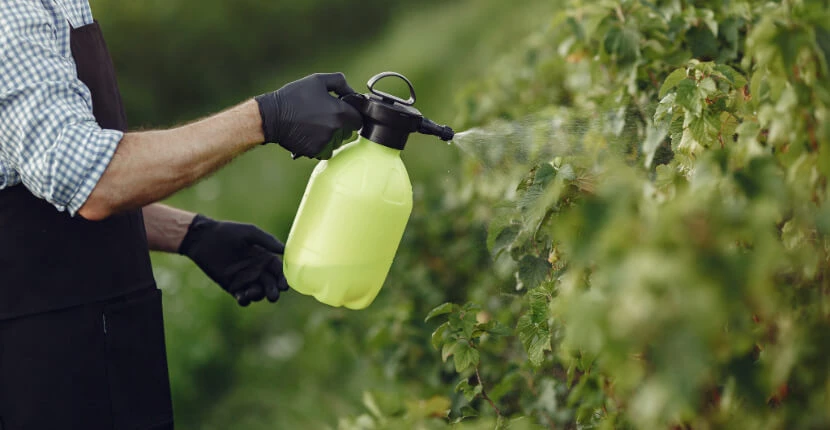
For effective invasive weed management, approved herbicides must be used to help get rid of the weeds while causing as little damage as possible to the plants around them. Physical removal and excavation are often necessary for deeply rooted species like Japanese knotweed, preventing regrowth.
Soil containment and disposal involve removing contaminated soil or restricting weed roots to stop further spread. Biological control introduces natural predators or ecological solutions to manage invasive plant populations sustainably. Long-term weed suppression relies on continuous site monitoring and preventative maintenance to prevent re-infestation.
What Are the Most Common Invasive Weeds?
Invasive weed management involves controlling species like Japanese Knotweed, Giant Hogweed, Himalayan Balsam, Ragwort, and Marestail/Horsetail to prevent structural damage, health risks, and ecological threats.
The most problematic species include:
Japanese knotweed – A highly aggressive weed that damages foundations, walls, and drains. Its presence can impact property value and mortgage approvals, making its professional removal essential.
Giant hogweed – Produces a toxic sap that causes severe skin burns when exposed to sunlight. Contact with this plant requires immediate medical attention.
Himalayan balsam – Rapidly spreads along riverbanks and waterways, crowding out native plants and increasing the risk of soil erosion.
Ragwort – Toxic to horses and livestock, with its spread posing risks to farmland and grazing areas.
Marestail & horsetail – Difficult to eradicate due to deep-rooted growth, often requiring specialist herbicides and soil treatment.
How Much Does Invasive Weed Management Cost?
Invasive weed management costs range from £300 to £5,000+, depending on weed type, infestation size, treatment method, and site accessibility.
Small-scale residential weed control, such as treating an isolated patch of Japanese Knotweed, typically costs £300 to £1,500. Larger commercial and agricultural infestations, requiring multiple treatments and extensive removal, can cost £3,000 to £5,000 or more.
Additional expenses may include site surveys (£150–£500), repeat treatments, and soil disposal fees (£50–£200 per tonne for contaminated soil removal).
Contact Invasive Weed to get customised pricing for invasive weed management.
Is a Permit Required for Invasive Weed Removal?
Invasive weed management is regulated under the Wildlife and Countryside Act 1981, which says that it is illegal to allow invasive species to spread into the wild.
Herbicide use is regulated under the Environmental Protection Act 1990, requiring approved application methods to prevent harm to wildlife and water sources.
Property owners are legally responsible for managing invasive weeds on their land and may be required to obtain permits for large-scale removals or chemical treatments near watercourses.
Our team ensures full legal compliance and handles all necessary permits for your weed management project.
How Long Does Invasive Weed Treatment Take?
Invasive weed treatment can take weeks to months, with full eradication often requiring multiple treatments over a growing season.
Small-scale herbicide treatments may take a few weeks to show results, while physical removal of deep-rooted weeds can take several months with follow-up treatments.
Japanese Knotweed treatment typically requires multiple applications over a growing season (6–12 months) to ensure complete eradication. Seasonal considerations also impact treatment efficiency, as some weeds are best treated during active growth periods (spring to summer) for maximum effectiveness.
What Are the Environmental Considerations In Invasive Weed Management?
Responsible invasive weed management involves safe herbicide use, which ensures that approved chemicals are applied correctly to prevent contamination of waterways and soil.
Preventing weed spread is another key factor, with measures such as root barrier systems, controlled disposal, and habitat restoration helping to restore native biodiversity.
Our approach prioritises eco-friendly weed control, ensuring compliance with UK environmental regulations and promoting sustainable land management.
Contact Invasive Weed to get detailed information on invasive weed management.
Managing Environmental Risk with Invasive Weed
Invasive Weed provides comprehensive environmental management and ecological solutions for property developers, civil engineers, and private landowners facing complex land contamination and habitat protection challenges. Uncontrolled vegetation and unassessed habitats can stall development projects, deflate property values, and lead to severe legal penalties under conservation legislation. By integrating specialist invasive plant eradication with professional ecological consultancy, the company ensures that clients can confidently clear land, achieve planning permission, and maintain strict environmental compliance throughout the lifecycle of their projects.
Invasive Weed delivers targeted eradication programs for aggressive non-native plant species that threaten structural integrity and native biodiversity. Commercial developers and homeowners often discover that japanese knotweed has compromised foundations, drainage systems, or boundary walls, requiring legally compliant remediation strategies to restore land value. On civil engineering sites and public parklands, managing the hazardous sap of giant hogweed removal is essential to protect public health and satisfy strict health and safety liabilities. Similarly, riparian projects frequently require himalayan balsam removal to prevent riverbank erosion and restore natural waterways, while urban residential properties frequently suffer from the destructive, spreading rhizomes of encroaching timber, necessitating specialized bamboo-removal to safeguard neighboring structures.
Invasive Weed conducts authoritative baseline assessments that identify ecological constraints during the earliest stages of spatial planning. Property infrastructure projects typically require a preliminary ecological appraisal to evaluate the baseline conservation value of a site and identify potential protected habitats. For more complex developments, planning authorities frequently mandate a comprehensive phase-1-habitat-survey or an extended-phase-1-habitat-survey to map vegetation communities and flag any requirements for species-specific mitigation. These initial investigations form the foundation of modern sustainable development, ensuring that subsequent site-clearance operations proceed legally without inadvertently destroying vulnerable ecosystems or violating environmental statutes.
Invasive Weed deploys certified ecologists to perform specialized protected species surveys required to secure planning consents and wildlife licenses. When developers renovate older agricultural buildings or clear mature woodlands, they must commission targeted bat-surveys and barn-owl-survey protocols to prevent the disturbance of protected nesting birds and roosting mammals. Subsurface developments and infrastructure works near wetlands or rural boundaries similarly demand diligent badger-surveys to locate active setts that might be impacted by heavy machinery. Furthermore, local authorities rely on these detailed ecology-surveys to verify that all proposed land-use changes mitigate risks to indigenous fauna and fully comply with national wildlife protection legislation.
Invasive Weed assists clients in navigating complex aquatic and semi-aquatic conservation laws before breaking ground near water bodies or rural catchments. Residential and commercial builders working near ponds, marshes, or slow-flowing drainage ditches must conduct a great-crested-newt-survey to ensure operations do not endanger these highly protected amphibians. Linear infrastructure projects traversing river corridors require rigorous water-vole-survey and otter-survey investigations to safeguard critical riparian habitats from heavy plant machinery. Additionally, to meet modern planning mandates, developers must integrate a comprehensive biodiversity-net-gain-assessment to guarantee that the completed project leaves the local environment in a measurably better state than before, which is supported by seasonal bird-survey data to track long-term nesting trends.
Invasive Weed maintains an unyielding commitment to regulatory compliance, environmental safety, and scientific excellence across every project. The team operates strictly within the frameworks of national conservation legislation and wildlife protection acts, providing verified documentation that withstands rigorous scrutiny from local planning authorities and statutory bodies. By balancing commercial development objectives with responsible habitat stewardship, the company mitigates legal risks and helps clients deliver ecologically sustainable projects. Contact the technical advisory team today to discuss specific site requirements and schedule a professional compliance assessment.