
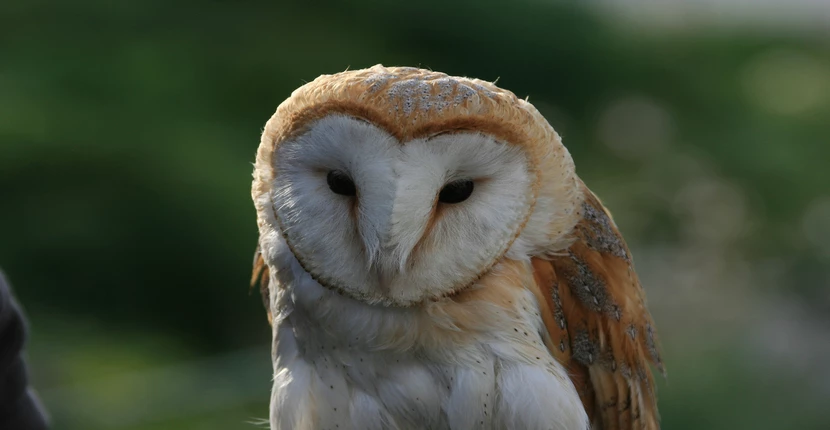
Barn Owl Survey in High Wycombe
Get a free quote for professional barn owl assessments todayAt Invasive Weed we specialise in barn owl surveys in High Wycombe to support planning applications, barn conversions, and land development projects while ensuring compliance with UK wildlife protection laws.
Barn owls and their nesting sites are legally protected, meaning that any development, renovation, or demolition affecting barns, trees, or agricultural buildings requires an ecological assessment.
Our team of qualified ecologists in High Wycombe conducts preliminary barn owl surveys, activity monitoring, impact assessments, and mitigation plans to help projects move forward legally and responsibly.
For a barn owl survey in High Wycombe and across the UK, contact us today for a consultation.
What Is the Barn Owl Survey Process in High Wycombe?
The barn owl survey process begins with an initial site walkover in High Wycombe, where our ecologists conduct an on-site survey to identify signs of barn owl presence, including pellets, feathers, and white droppings.
If potential activity is detected, field surveys and monitoring in High Wycombe are conducted using night vision equipment, motion-sensor cameras, and direct observations to gather data on barn owl behaviour and nesting sites.
The next stage involves data collection and analysis in High Wycombe, assessing nest activity, flight paths, and habitat use to determine potential development constraints.
The final step is producing a comprehensive report with recommendations in High Wycombe, outlining findings, legal considerations, and mitigation strategies to support planning applications.
What Are the Different Types of Barn Owl Surveys in High Wycombe?
Barn owl surveys in High Wycombe include preliminary assessments, activity monitoring, impact mitigation, and habitat enhancement.
These surveys in High Wycombe also include:
Preliminary barn owl survey in High Wycombe – Site assessment to identify potential nesting and roosting locations and determine if further surveys are needed.
Barn owl activity monitoring in High Wycombe – Field observations, nest inspections, and motion-sensor cameras to record owl behavior and breeding status.
Impact assessments and mitigation plans in High Wycombe – Strategies to protect barn owls during construction, including no-disturbance zones, nest boxes, and habitat enhancement.
Nest box installation and habitat enhancement in High Wycombe – Providing artificial nesting sites to support barn owls if natural nesting locations are affected by development.
How Much Does a Barn Owl Survey Cost in High Wycombe?
Barn owl survey costs in High Wycombe range from £400 to £5,000+, depending on survey type, site complexity, and required mitigation.
A preliminary barn owl survey in High Wycombe, which includes a site walkover and roost assessment, costs between £400 and £900.
If evidence of barn owl activity is found, further barn owl activity monitoring in High Wycombe may be required, including nest inspections and camera trapping, with costs ranging from £1,000 to £2,500, depending on the complexity of the site and the number of survey visits needed.
More detailed impact assessments and mitigation plans in High Wycombe may cost between £2,000 and £5,000, particularly if mitigation strategies such as nest box installation or habitat enhancement are required.
Additional expenses may include licensing fees in High Wycombe (£200–£500), mitigation measures (such as nest boxes), and follow-up monitoring (£500–£1,500 per visit).
Contact Invasive Weed in High Wycombe to get customised pricing for barn owl survey projects in targeted biodiversity.
Is a Permit Required for a Barn Owl Survey?
Barn owl surveys are required under the Wildlife and Countryside Act 1981, which states that it is illegal to disturb, damage, or block access to a barn owl nest or roost without a valid license. Additionally, capturing, handling, or relocating barn owls without approval from Natural England is prohibited.
Any construction, demolition, or land clearance that affects barn owl habitats must undergo an ecological assessment to ensure compliance. If barn owls are found on-site, a Barn Owl Mitigation License may be required before development can proceed.
We assist in obtaining permits, conducting mitigation planning, and ensuring full legal compliance.
How Long Does a Barn Owl Survey Take?
Barn owl surveys take from one week to several months, depending on nesting activity, seasonality, and project scope.
A preliminary barn owl survey can typically be completed within one to two weeks, while barn owl activity monitoring may require multiple site visits over several months, particularly if nesting pairs are present.
The best time for nesting surveys and activity assessments is between March and August, when barn owls are breeding. Autumn and winter, from September to February, are more suitable for roost assessments but are less effective for detecting active nesting.
What Are the Environmental Considerations in a Barn Owl Survey?
Barn owl surveys include mitigation strategies such as nest box placement, habitat conservation, and the creation of alternative roosting areas to ensure barn owls are not displaced.
We work to reduce disruption to barn owls by ensuring construction activities minimise light pollution, noise, and habitat fragmentation near active roosts. Compliance with conservation laws is a key focus, ensuring that all legal and ecological requirements are met, preventing regulatory breaches and penalties.
By integrating barn owl-friendly measures into site plans, we help developers balance project goals with wildlife protection.
Contact Invasive Weed to get detailed information on barn owl surveys in targeted biodiversity.
We cover High Wycombe (Buckinghamshire)