
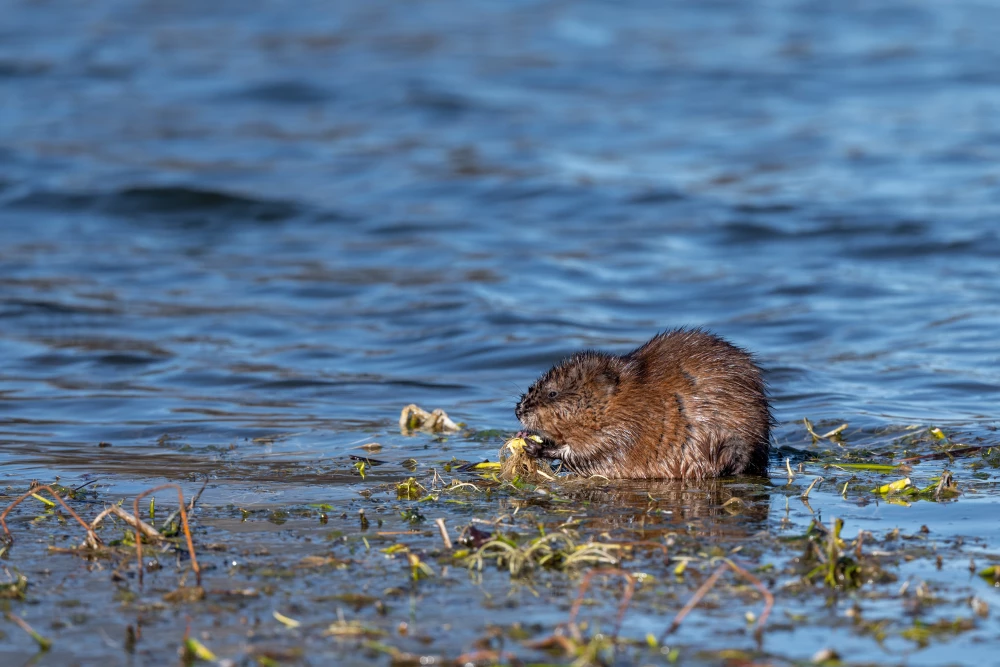
Water Vole Survey in Bedlington
Get a free quote for specialised Water Vole assessment todayAt Invasive Weed, we specialise in water vole surveys in Bedlington to support planning applications, land development, and riverbank restoration projects while ensuring compliance with UK wildlife protection laws.
Water voles are one of the most rapidly declining mammal species in the UK, making their conservation a legal priority. If your project involves work near waterways, ditches, ponds, or wetlands, a water vole survey may be required to assess potential impacts on their habitat.
Our team of licensed ecologists conducts preliminary habitat assessments, presence/absence surveys in Bedlington, population density surveys, and mitigation planning to ensure legal compliance and ecological protection.
For a water vole survey in Bedlington and across the UK, contact us today for a consultation.
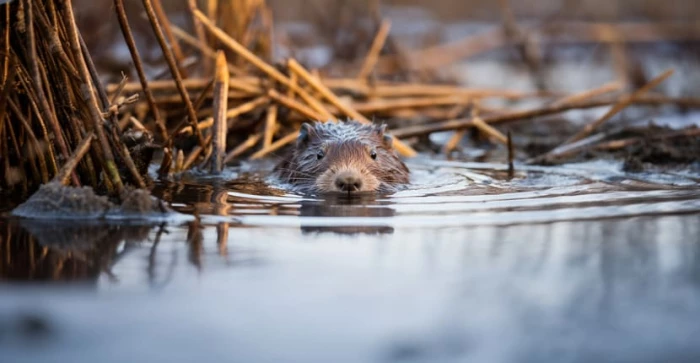
What Is the Water Vole Survey Process in Bedlington?
The water vole survey process begins with an initial site walkover in Bedlington, where ecologists inspect the site’s waterways, ditches, and wetland areas to identify potential water vole habitats.
If habitat suitability is confirmed, field surveys & monitoring in Bedlington are conducted to record evidence such as burrows, latrines, and feeding stations. During this phase, data is collected and analysed in Bedlington to determine population size, activity levels, and habitat quality.
The final step is producing a comprehensive report with recommendations in Bedlington, detailing the findings, legal implications, and necessary mitigation measures to support planning applications and conservation efforts.
What Types of Water Vole Surveys Are Available in Bedlington?
Water vole surveys include habitat assessments in Bedlington, presence detection, population estimation, and mitigation planning.
These surveys in Bedlington also include:
Preliminary habitat assessment in Bedlington– Walkover survey to identify suitable habitat conditions and determine if further presence/absence surveys are needed.
Presence/absence survey in Bedlington – Searches for burrows, droppings, latrines, feeding remains, and footprints to confirm water vole activity.
Population density survey in Bedlington – Estimates water vole numbers and distribution across the site for mitigation and conservation planning.
Mitigation & conservation strategies in Bedlington – Develops measures such as habitat restoration, protective fencing, and translocation to comply with legal protections and conservation goals.
How Much Does a Water Vole Survey Cost?
Water vole survey costs range from £400 to £6,000+ in Bedlington, depending on survey type, site complexity, and mitigation requirements.
A preliminary habitat assessment, which evaluates the site for suitable water vole habitats, costs between £400 and £900 in Bedlington. If further investigation is required, a presence/absence survey, which looks for signs of water voles such as burrows, latrines, and feeding remains, can range from £1,000 to £2,500 in Bedlington, depending on the size of the site and the survey effort required.
For projects where water voles are confirmed on-site, a population density survey in Bedlington may be needed to estimate their numbers, with costs ranging between £2,500 and £5,000. More detailed mitigation & conservation strategies in Bedlington, including habitat restoration, fencing, and translocation planning, can range from £3,000 to £6,000.
Additional expenses may include licensing fees (£200–£500), habitat enhancement (such as vegetation management), and follow-up monitoring (£500–£1,500 per visit).
Contact Invasive Weed in Bedlington to get customised pricing for water vole survey projects in targeted biodiversity.
Is a Permit Required for a Water Vole Survey in Bedlington?
Water vole surveys require a permit if a development project could disturb or impact water vole populations, in which case a Mitigation License is required from Natural England in Bedlington or the relevant conservation authority.
Under the Wildlife and Countryside Act 1981, it is illegal to intentionally kill, injure, or disturb water voles; damage or destroy their burrows; or obstruct access to their habitats.
We assist in obtaining permits, conducting mitigation planning, and ensuring full legal compliance.
How Long Does a Water Vole Survey Take in Bedlington?
Water vole surveys take from one week to several months in Bedlington, depending on survey type, seasonality, and project scope.
A preliminary habitat assessment in Bedlington can typically be completed within one to two weeks, while a presence/absence survey in Bedlington may require multiple site visits over several weeks. Water vole surveys must be conducted between April and September in Bedlington, as this is when voles are most active and leave visible signs of their presence.
What Are the Environmental Considerations in a Water Vole Survey in Bedlington?
The water vole survey method includes ways to reduce the problem in Bedlington, like restoring habitats, making wildlife corridors, and putting up protective fencing so that water vole populations can still connect with each other.
We also ensure compliance with conservation laws in Bedlington, helping developers integrate biodiversity protection measures into their projects.
By implementing environmentally responsible strategies, we support both wildlife conservation and sustainable development.
Contact Invasive Weed in Bedlington to get detailed information on the water vole surveys in targeted biodiversity.
We cover Bedlington (Northumberland)